Yep, we may get a tiny thank-you (read: commission) when you buy through
links on Soundfindr — not enough for a yacht, but enough to keep the lights (and
servers) on.
Learn more
65
Highlights
46
Differences
9
Reactions
0
Likes
Elgato Wave:1
vs
Blue Yeti :
65 Highlights & 46 Differences —
So, Which Microphone Actually Works Better
Blue Yeti suits variety lovers, Wave:1 targets streaming pros. Both deliver quality sound but with different strengths.
We put Elgato Wave:1 and Blue Yeti head to head to see which microphone wins in performance, build, and price. Compare their features and onboard controls, warranty, cable detachable & cables now.
Flexible USB Power
Defines how the microphone is powered.
with 24 points higher
Controls & Features
Features Multi-Mode Switch
Shows whether the microphone includes a switch to toggle between different recording modes or polar patterns.
with a difference of 8 points
Features Multi-Mode Switch
Shows whether the microphone includes a switch to toggle between different recording modes or polar patterns.
with a difference of 8 points
Elgato Wave:1 vs Blue Yeti: USB Microphone Showdown for Streamers and Podcasters
When choosing a USB microphone for podcasting, streaming, or gaming, the Elgato Wave:1 and Blue Yeti stand out as two popular contenders. Both are desktop condenser mics equipped with USB connectivity, making them simple plug-and-play solutions suitable for professional and hobbyist content creators alike. Their core mission is to capture clear vocal audio with ease, but they diverge markedly in design, flexibility, and advanced features.
The Wave:1 offers a streamlined cardioid pickup pattern optimized for focused voice recording and integrates proprietary digital mixing software with anti-clipping technology. Conversely, the Blue Yeti shines with its versatile quad-polar pattern options, extensive physical controls, and adjustable mounting, catering to a broader range of recording scenarios such as interviews, music, and multi-person podcasts.
The Compact Pro: Why Elgato Wave:1 Excels at Streamlined Vocal Capture
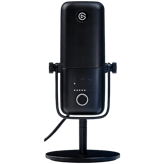
The Elgato Wave:1 stands apart with its compact form factor, measuring only 5.56 inches tall with a capsule diameter of 0.67 inches, which makes it an unobtrusive addition to even limited desktop spaces. Its single cardioid polar pattern is especially tailored for close-proximity voice pickup, ideal for the dedicated podcaster or streamer aiming for clean vocal isolation without ambient distractions.
A standout feature is its integration with Elgato's software, enabling seamless digital mixing and precise control over audio inputs, a benefit not found in the Blue Yeti. This is complemented by anti-clipping technology, which safeguards recordings against distortion during sporadic loud peaks, ensuring consistent sound clarity.
Unlike the Blue Yeti, the Wave:1's cable is fixed - which may limit portability but simplifies setup. Onboard, it offers tactile buttons for mute and volume control, combined with LED indicators to keep you visually informed of microphone status. The mic also carries a professional broadcast certification, underscoring its reliability in studio and streaming environments demanding rigorous standards. Accessories include a mounting clip and adapters, enhancing its installation versatility within a fixed setup. Its lightweight and smaller footprint make it perfect for users prioritizing neat workspace integration and high-fidelity vocal capture, albeit with less flexibility in recording environments.
Blue Yeti: The Flexible Workhorse for Diverse Recording Needs
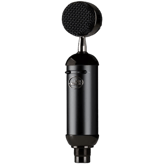
The Blue Yeti is a legendary name in USB microphones, credited largely to its robust feature set and user-friendly controls. Standing taller at 11.61 inches with a slimmer capsule diameter of 0.55 inches, it commands some desktop real estate but compensates with unparalleled versatility. This microphone's key advantage lies in its four selectable polar patterns: cardioid, omnidirectional, bidirectional, and stereo, which empower creators to tailor recording to solo vocals, group discussions, instruments, or ambient soundscape capture.
Audio-wise, the Blue Yeti boasts a defined 60 dB gain range, 120 dB overload point, and a low total harmonic distortion of 0.5%, delivering a detailed and natural sound reproduction that pleases both beginners and professionals. Its detachable USB cable eases transportation and replacement, adding to its user-friendly design.
Physically, the Blue Yeti offers an adjustable mounting system with swivel and pivot capability, along with compatibility for adjustable arms and stands, enhancing ergonomic positioning during long recording sessions. The microphone's array of onboard controls spans buttons, switches, and knobs, facilitating quick adjustments to volume, gain, mute, and headphone monitoring mix; a feature enabled by its direct headphone monitoring, which the Wave:1 lacks. This hands-on control suite, combined with favorable pricing around $87 ($87 at B&H Photo Video), makes the Blue Yeti a go-to option for multi-purpose recording setups and creators who prefer tactile feedback over software control.
Quick Take
The Elgato Wave:1 shines in its compact design, professional broadcast certification, and advanced digital mixing with anti-clipping technology, making it a serious choice for streamers and podcasters who want focused voice clarity and workflow integration. Meanwhile, the Blue Yeti's significant edge is its flexibility, featuring multiple polar patterns, extensive physical controls, and adaptable mounting options, all at a wallet-friendly price.
Bottom Line
If your priority is a specialized, broadcast-grade microphone with digital mixing integration for a streamlined streaming or podcast experience, the Elgato Wave:1 is the superior pick despite its higher cost. However, if you are seeking versatility for various recording applications, a well-established reputation, and value for money with manual control options, the Blue Yeti remains a compelling and affordable choice.
Verdict
Winner: Elgato Wave:1 - For its professional broadcast certification, streamlined cardioid performance, and integrated digital audio controls tailored for serious streaming and podcasting setups.
Runner-up: Blue Yeti - Thanks to its multi-pattern versatility, physical control richness, and excellent value, making it suitable for a wider range of recording scenarios.
Side by side. The numbers. The features. No drama.
Want clarity before your next studio or stage buy? We broke down Elgato Wave:1 vs Blue Yeti in this microphones comparison — no fluff, just specs and real use insights.
Elgato Wave:1 is intended for Podcast, Streaming, and Gaming, while Blue Yeti supports Podcast and Streaming only. Elgato Wave:1 may be slightly more geared toward gaming content creators.
Describes the primary application area.
In the battle of Intended Use,
Elgato Wave:1 ◉ is
worse than
Blue Yeti ◉
, delivering
lower
10 score
measurement.
Based on community votes for Intended Use,
Elgato Wave:1 ◉ earned
1 votes,
more than
Blue Yeti ◉,
which got 0 votes.
46
Blue Yeti
1Votes
Beginner, Intermediate, Professional
vs
User Skill Level
User Skill Level for Elgato Wave:1 is Professional, and Blue Yeti covers Beginner, Intermediate, and Professional. Blue Yeti is more accessible for new users while still catering to pros.
Recommended audience expertise level.
In the battle of User Skill Level,
Elgato Wave:1 ◉ is
better than
Blue Yeti ◉
, delivering
higher
53 score
measurement.
Based on community votes for User Skill Level,
Elgato Wave:1 ◉ earned
0 votes,
less than
Blue Yeti ◉,
which got 1 votes.
Both Elgato Wave:1 and Blue Yeti have a Desktop form factor. This means both mics are designed to sit conveniently on your desk, making either suitable for stationary desktop use in streaming or podcasting.
Describes the physical style of the microphone.
In the battle of Form Factor,
Elgato Wave:1 ◉ is
worse than
Blue Yeti ◉
, delivering
lower
2 score
measurement.
Don’t keep it to yourself — be the first to react and review the
Form Factor on Elgato Wave:1 ◉
vs Blue Yeti ◉ and help others decide!
72
Blue Yeti
0Votes
Cardioid, Omnidirectional, Bidirectional, Stereo
vs
Polar Pattern Type
The Polar Pattern Type for Elgato Wave:1 is Cardioid only, whereas the Blue Yeti offers Cardioid, Omnidirectional, Bidirectional, and Stereo. Blue Yeti provides more versatility in recording styles, making it better for varied recording needs.
Identifies the default pickup pattern.
In the battle of Polar Pattern Type,
Elgato Wave:1 ◉ is
worse than
Blue Yeti ◉
, delivering
lower
13 score
measurement.
Don’t keep it to yourself — be the first to react and review the
Polar Pattern Type on Elgato Wave:1 ◉
vs Blue Yeti ◉ and help others decide!
Year of Release
What year was it released?
84
Elgato Wave:1
0Votes
2020
46
Blue Yeti
0Votes
2009
Elgato Wave:1
Released in 2020, the Wave 1 microphone reflects the increasing demand for easy-to-use, high-quality microphones for streaming and podcasting. It quickly became a favorite for creators who needed reliable performance at an affordable price.
Blue Yeti
Year of release is 2009, indicating the model's introduction date to the market.
Indicates when the microphone was launched.
In the battle of Year of Release,
Elgato Wave:1 ◉ is
better than
Blue Yeti ◉
, delivering
higher
38 score
measurement.
Don’t keep it to yourself — be the first to react and review the
Year of Release on Elgato Wave:1 ◉
vs Blue Yeti ◉ and help others decide!
Compatibility
Which devices or platforms are compatible?
79
Elgato Wave:1
0Votes
PC, Mac
86
Blue Yeti
0Votes
PC
Elgato Wave:1
The Wave 1 is compatible with both PC and Mac systems, making it versatile for a wide range of setups. Its USB-C connection allows it to integrate seamlessly with modern computers and streaming setups without the need for additional adapters.
Blue Yeti
Compatible primarily with PC platforms, ensuring easy integration for common recording setups.
Lists supported platforms and devices.
In the battle of Compatibility,
Elgato Wave:1 ◉ is
worse than
Blue Yeti ◉
, delivering
lower
7 score
measurement.
Don’t keep it to yourself — be the first to react and review the
Compatibility on Elgato Wave:1 ◉
vs Blue Yeti ◉ and help others decide!
Connectivity Type
What is the connectivity type?
69
Elgato Wave:1
0Votes
USB
66
Blue Yeti
0Votes
USB
Elgato Wave:1
USB connectivity provides a simple, reliable solution for users looking to connect directly to their computer. This makes the Wave 1 a no-fuss option for those who want to avoid the complexity of mixers or external interfaces.
Blue Yeti
Connectivity type is USB, ensuring easy plug-and-play compatibility with most computers and recording devices.
Defines how the microphone connects to devices.
In the battle of Connectivity Type,
Elgato Wave:1 ◉ is
better than
Blue Yeti ◉
, delivering
higher
3 score
measurement.
Don’t keep it to yourself — be the first to react and review the
Connectivity Type on Elgato Wave:1 ◉
vs Blue Yeti ◉ and help others decide!
Color Options
What are the color options?
79
Elgato Wave:1
0Votes
Black
56
Blue Yeti
0Votes
Silver
Elgato Wave:1
The Wave 1 comes in a sleek black color, giving it a professional, modern look that complements any setup. Its understated design blends easily into most streaming or recording environments, whether at home or in a studio.
Blue Yeti
The microphone comes in a silver color option, providing a sleek and professional aesthetic.
Available product colors.
In the battle of Color Options,
Elgato Wave:1 ◉ is
better than
Blue Yeti ◉
, delivering
higher
23 score
measurement.
Don’t keep it to yourself — be the first to react and review the
Color Options on Elgato Wave:1 ◉
vs Blue Yeti ◉ and help others decide!
Gender Target
What is the gender target?
99
Elgato Wave:1
0Votes
Unisex
96
Blue Yeti
0Votes
Unisex
Elgato Wave:1
Designed to be accessible for everyone, the Wave 1 microphone is unisex, meaning it works well for any creator. Whether you’re a beginner or a professional, the mic offers a user-friendly experience that’s suitable for all.
Blue Yeti
Designed for unisex users, making it broadly accessible without gender-specific features.
The marketing target by gender (if specified).
In the battle of Gender Target,
Elgato Wave:1 ◉ is
better than
Blue Yeti ◉
, delivering
higher
3 score
measurement.
Don’t keep it to yourself — be the first to react and review the
Gender Target on Elgato Wave:1 ◉
vs Blue Yeti ◉ and help others decide!
Age Group
What is the age group?
49
Elgato Wave:1
0Votes
Adult
73
Blue Yeti
0Votes
Teen, Adult, Professional
Elgato Wave:1
Targeted towards adults, particularly professionals or serious hobbyists, the Wave 1 is designed for users who require high-quality sound for podcasting or streaming. Its features and performance are aimed at those who demand the best from their equipment.
Blue Yeti
Designed for a wide age group including teens, adults, and professionals to suit diverse users and skill levels.
The intended user age bracket.
In the battle of Age Group,
Elgato Wave:1 ◉ is
worse than
Blue Yeti ◉
, delivering
lower
24 score
measurement.
Don’t keep it to yourself — be the first to react and review the
Age Group on Elgato Wave:1 ◉
vs Blue Yeti ◉ and help others decide!
Launch Region
Where is it available?
99
Elgato Wave:1
0Votes
Global
66
Blue Yeti
0Votes
Global
Elgato Wave:1
Available globally, the Wave 1 microphone is a popular choice for content creators worldwide. Elgato's commitment to worldwide distribution means that streamers and podcasters everywhere can access this premium mic.
Blue Yeti
This product is marketed and available globally, catering to a wide range of users worldwide.
Where the product is primarily available.
In the battle of Launch Region,
Elgato Wave:1 ◉ is
better than
Blue Yeti ◉
, delivering
higher
33 score
measurement.
Don’t keep it to yourself — be the first to react and review the
Launch Region on Elgato Wave:1 ◉
vs Blue Yeti ◉ and help others decide!
Product Type
What is the product type?
89
Elgato Wave:1
0Votes
USB
61
Blue Yeti
0Votes
Condenser, USB
Elgato Wave:1
The Wave 1 is a USB-powered microphone, providing a simple plug-and-play experience for users who want quick setup without external audio interfaces. Its USB connectivity makes it a great option for streamers and podcasters who prioritize ease of use.
Defines the basic category of the microphone.
In the battle of Product Type,
Elgato Wave:1 ◉ is
better than
Blue Yeti ◉
, delivering
higher
28 score
measurement.
Don’t keep it to yourself — be the first to react and review the
Product Type on Elgato Wave:1 ◉
vs Blue Yeti ◉ and help others decide!
Model Name
What is the model name?
71
Elgato Wave:1
0Votes
Wave 1
66
Blue Yeti
0Votes
YETI
Elgato Wave:1
The Wave 1 is part of Elgato’s premium microphone range, offering a high-quality solution for content creators. This model is specifically designed for those seeking professional-grade sound without the need for complicated setups.
The specific product identifier from the manufacturer.
In the battle of Model Name,
Elgato Wave:1 ◉ is
better than
Blue Yeti ◉
, delivering
higher
5 score
measurement.
Don’t keep it to yourself — be the first to react and review the
Model Name on Elgato Wave:1 ◉
vs Blue Yeti ◉ and help others decide!
Series/Line
What series/line does it belong to?
Who knows?
0Votes
Elgato Wave:1
(Help us out by suggesting one!)
52
Blue Yeti
0Votes
Yeti Series
Blue Yeti
Belongs to the well-known 'Yeti' series, a trusted name in USB microphones for streaming and podcasting.
Identifies the product line or collection the microphone belongs to.
Don’t keep it to yourself — be the first to react and review the
Series/Line on Elgato Wave:1 ◉
vs Blue Yeti ◉ and help others decide!
Country of Origin
What is the country of origin?
74
Elgato Wave:1
0Votes
China
71
Blue Yeti
0Votes
China
Elgato Wave:1
Manufactured in China, this microphone combines cost-effective production with Elgato's commitment to quality. Its global production ensures availability and competitive pricing while maintaining good performance standards.
Manufacturing or design origin.
In the battle of Country of Origin,
Elgato Wave:1 ◉ is
better than
Blue Yeti ◉
, delivering
higher
3 score
measurement.
Don’t keep it to yourself — be the first to react and review the
Country of Origin on Elgato Wave:1 ◉
vs Blue Yeti ◉ and help others decide!
Mounting Type
What is the mounting type?
54
Elgato Wave:1
0Votes
Stand, Boom Arm
56
Blue Yeti
0Votes
Desktop Base, Boom Arm
Elgato Wave:1
You can mount the Wave 1 either on a desktop stand or a boom arm, giving you flexibility depending on your recording environment. This versatility ensures that you can position the microphone for optimal audio capture, whether you’re sitting at a desk or using a boom for more mobility.
The typical mounting or support style.
In the battle of Mounting Type,
Elgato Wave:1 ◉ is
worse than
Blue Yeti ◉
, delivering
lower
2 score
measurement.
Don’t keep it to yourself — be the first to react and review the
Mounting Type on Elgato Wave:1 ◉
vs Blue Yeti ◉ and help others decide!
Recording Application Category
What recording applications is it best for?
84
Elgato Wave:1
0Votes
Podcast, Streaming
84
Blue Yeti
0Votes
Podcast, Broadcast, Streaming, Studio
Elgato Wave:1
Specifically optimized for podcasting and streaming, the Wave 1 delivers broadcast-quality audio to ensure your content sounds professional. Whether you’re hosting a live broadcast or recording a podcast episode, this microphone captures your voice with clarity and precision.
Specific contexts where the mic is best suited.
In the battle of Recording Application Category,
Elgato Wave:1 ◉ is
same as
Blue Yeti ◉
.
Don’t keep it to yourself — be the first to react and review the
Recording Application Category on Elgato Wave:1 ◉
vs Blue Yeti ◉ and help others decide!
Limited Edition
Is it a limited/special edition?
No
0Votes
Elgato Wave:1
No
0Votes
Blue Yeti
vs
Limited Edition
Limited Edition status is 'No' for both Elgato Wave:1 and Blue Yeti, meaning neither offers special edition variants, so both are standard models in their markets.
Whether the model is a limited or special release.
In the battle of Limited Edition,
Elgato Wave:1 ◉ is
same as
Blue Yeti ◉
.
Don’t keep it to yourself — be the first to react and review the
Limited Edition on Elgato Wave:1 ◉
vs Blue Yeti ◉ and help others decide!
Capsule Diameter for Elgato Wave:1 is 0.67 inches and for Blue Yeti is 0.55 inches. Elgato Wave:1 has a slightly wider capsule which may influence sound capture characteristics.
The diameter of the microphone capsule.
In the battle of Capsule Diameter,
Elgato Wave:1 ◉ is
better than
Blue Yeti ◉
, delivering
higher
0.1 inch
measurement.
Don’t keep it to yourself — be the first to react and review the
Capsule Diameter on Elgato Wave:1 ◉
vs Blue Yeti ◉ and help others decide!
Who knows?
0Votes
Elgato Wave:1
(Help us out by suggesting one!)
11.2
inch
0Votes
vs
Package Depth
Package Depth is unavailable for Elgato Wave:1 but is 11.2 inches for Blue Yeti. Blue Yeti's deeper packaging might affect space requirements for unboxing or storage.
The shipping package’s depth.
Don’t keep it to yourself — be the first to react and review the
Package Depth on Elgato Wave:1 ◉
vs Blue Yeti ◉ and help others decide!
Width
What is the width?
2.6
inch
0Votes
4.72
inch
0Votes
Elgato Wave:1
At 2.6 inches wide, the Wave 1 is compact and unobtrusive, making it easy to fit into a range of desk setups. It’s a practical size for users who want to keep their workspace clear while still achieving professional sound.
Blue Yeti
Width measures 4.72 inches (11.99 cm), reflecting the size of the microphone body.
The microphone’s overall width.
In the battle of Width,
Elgato Wave:1 ◉ is
better than
Blue Yeti ◉
, delivering
lower
2.1 inch
measurement.
Don’t keep it to yourself — be the first to react and review the
Width on Elgato Wave:1 ◉
vs Blue Yeti ◉ and help others decide!
Depth
What is the depth?
1.57
inch
0Votes
4.92
inch
0Votes
Elgato Wave:1
The depth of 1.57 inches ensures the microphone is slim and can be positioned without taking up too much space on your desk. It’s perfect for creators with limited space who need an efficient solution.
In the battle of Depth,
Elgato Wave:1 ◉ is
better than
Blue Yeti ◉
, delivering
lower
3.4 inch
measurement.
Don’t keep it to yourself — be the first to react and review the
Depth on Elgato Wave:1 ◉
vs Blue Yeti ◉ and help others decide!
Weight
What is the weight?
0.54
lbs
0Votes
3.2
lbs
0Votes
Elgato Wave:1
Weighing just 0.54 lbs (about 245 grams), the Wave 1 is lightweight and portable, making it easy to transport to different recording locations or events. Its weight ensures stability without being too heavy for mounting or adjusting.
Blue Yeti
The weight is 3.2 pounds (1.45 kg), making it relatively sturdy yet portable for a desktop microphone.
The microphone’s physical weight.
In the battle of Weight,
Elgato Wave:1 ◉ is
better than
Blue Yeti ◉
, delivering
lower
2.7 lbs
measurement.
Don’t keep it to yourself — be the first to react and review the
Weight on Elgato Wave:1 ◉
vs Blue Yeti ◉ and help others decide!
Cable Length
What is the cable length?
8.2
ft
0Votes
6.5
ft
0Votes
Elgato Wave:1
The 8.2 ft (2.5 m) USB cable provides enough length to comfortably connect to your computer or other devices without feeling restricted. It offers flexibility in microphone placement for both desktop and boom arm use.
Blue Yeti
Cable length is 6.5 feet (1.98 meters), providing ample reach for desktop setup flexibility.
Length of the included or integrated cable.
In the battle of Cable Length,
Elgato Wave:1 ◉ is
better than
Blue Yeti ◉
, delivering
higher
1.7 ft
measurement.
Don’t keep it to yourself — be the first to react and review the
Cable Length on Elgato Wave:1 ◉
vs Blue Yeti ◉ and help others decide!
Mounting Thread Size
What is the mounting thread size?
79
Elgato Wave:1
0Votes
5/8"
96
Blue Yeti
0Votes
5/8"
Elgato Wave:1
The 5/8-inch thread size is compatible with most standard microphone stands and boom arms, ensuring versatile mounting options for different recording setups.
Blue Yeti
Features a 5/8-inch mounting thread size, which is a common thread size compatible with many microphone stands and shock mounts.
The thread size for mounting compatibility.
In the battle of Mounting Thread Size,
Elgato Wave:1 ◉ is
worse than
Blue Yeti ◉
, delivering
lower
17 score
measurement.
Don’t keep it to yourself — be the first to react and review the
Mounting Thread Size on Elgato Wave:1 ◉
vs Blue Yeti ◉ and help others decide!
Package Width
What is the package width?
Who knows?
0Votes
Elgato Wave:1
(Help us out by suggesting one!)
6.7
inch
0Votes
vs
Package Width
Package Width is unavailable for Elgato Wave:1, while Blue Yeti measures 6.7 inches. Blue Yeti's packaging size is known, helpful for planning storage and shipping.
The shipping package’s width.
Don’t keep it to yourself — be the first to react and review the
Package Width on Elgato Wave:1 ◉
vs Blue Yeti ◉ and help others decide!
Package Height
What is the package height?
Who knows?
0Votes
Elgato Wave:1
(Help us out by suggesting one!)
10.5
inch
0Votes
Blue Yeti
Package height is 10.5 inches (26.67 cm), detailing the boxed product size for shipping or storage.
The shipping package’s height.
Don’t keep it to yourself — be the first to react and review the
Package Height on Elgato Wave:1 ◉
vs Blue Yeti ◉ and help others decide!
Stand/Arm Length
What is the stand/arm length?
Who knows?
0Votes
Elgato Wave:1
(Help us out by suggesting one!)
6
inch
0Votes
Blue Yeti
Stand or arm length is 6 inches (15.24 cm), suitable for desktop use and easy adjustment.
Maximum length of included stand or boom arm.
Don’t keep it to yourself — be the first to react and review the
Stand/Arm Length on Elgato Wave:1 ◉
vs Blue Yeti ◉ and help others decide!
Capsule Length
What is the capsule length?
Who knows?
0Votes
Elgato Wave:1
(Help us out by suggesting one!)
0.8
inch
0Votes
vs
Capsule Length
Capsule Length is unavailable for Elgato Wave:1, whereas Blue Yeti is 0.8 inches. Knowing Blue Yeti's capsule size helps understand its mic element's scale, indicating detailed specs.
The length of the microphone capsule.
Don’t keep it to yourself — be the first to react and review the
Capsule Length on Elgato Wave:1 ◉
vs Blue Yeti ◉ and help others decide!
Grill Diameter
What is the grill diameter?
Who knows?
0Votes
Elgato Wave:1
(Help us out by suggesting one!)
2.4
inch
0Votes
Blue Yeti
Grill diameter is 2.4 inches (6.10 cm), providing physical protection for the capsule while allowing good sound transmission.
The diameter of the protective microphone grill.
Don’t keep it to yourself — be the first to react and review the
Grill Diameter on Elgato Wave:1 ◉
vs Blue Yeti ◉ and help others decide!
Base Footprint Diameter
What is the base/stand footprint diameter?
Who knows?
0Votes
Elgato Wave:1
(Help us out by suggesting one!)
4.5
inch
0Votes
Diameter of the microphone base or stand footprint.
Don’t keep it to yourself — be the first to react and review the
Base Footprint Diameter on Elgato Wave:1 ◉
vs Blue Yeti ◉ and help others decide!
Proximity Effect Control is 'No' for both Elgato Wave:1 and Blue Yeti, indicating neither mic has this feature to control bass boost when close to the mic.
Whether it has control for bass buildup at close range.
In the battle of Proximity Effect Control,
Elgato Wave:1 ◉ is
same as
Blue Yeti ◉
.
Based on community votes for Proximity Effect Control,
Elgato Wave:1 ◉ earned
0 votes,
less than
Blue Yeti ◉,
which got 1 votes.
Who knows?
0Votes
Elgato Wave:1
(Help us out by suggesting one!)
0.5
%
0Votes
vs
THD
THD is unavailable for Elgato Wave:1, but Blue Yeti records 0.5%, indicating the Blue Yeti provides detailed distortion measurements which may aid audiophiles.
Distortion added at high volumes.
Don’t keep it to yourself — be the first to react and review the
THD on Elgato Wave:1 ◉
vs Blue Yeti ◉ and help others decide!
Who knows?
0Votes
Elgato Wave:1
(Help us out by suggesting one!)
60
dB
0Votes
vs
Gain Range
Gain Range is not stated for Elgato Wave:1, whereas Blue Yeti has a 60 dB gain range, offering significant control over input sensitivity for various recording scenarios.
The adjustable gain span.
Don’t keep it to yourself — be the first to react and review the
Gain Range on Elgato Wave:1 ◉
vs Blue Yeti ◉ and help others decide!
Who knows?
0Votes
Elgato Wave:1
(Help us out by suggesting one!)
120
dB
0Votes
vs
Overload Point
Overload Point is unavailable for Elgato Wave:1, while Blue Yeti has a 120 dB overload point, meaning Blue Yeti can handle louder sound sources before distortion.
The SPL level where overload occurs.
Don’t keep it to yourself — be the first to react and review the
Overload Point on Elgato Wave:1 ◉
vs Blue Yeti ◉ and help others decide!
Microphone Type
What is the microphone type?
79
Elgato Wave:1
0Votes
Condenser
56
Blue Yeti
0Votes
USB, Condenser
Elgato Wave:1
As a condenser microphone, the Wave 1 is highly sensitive and capable of capturing detailed, clear audio with minimal distortion. This makes it perfect for applications where sound quality is paramount, such as streaming or podcasting.
Blue Yeti
This USB condenser microphone is designed for clear, accurate sound capture with convenient USB connectivity.
Defines the operating principle of the microphone.
In the battle of Microphone Type,
Elgato Wave:1 ◉ is
better than
Blue Yeti ◉
, delivering
higher
23 score
measurement.
Don’t keep it to yourself — be the first to react and review the
Microphone Type on Elgato Wave:1 ◉
vs Blue Yeti ◉ and help others decide!
Capsule Type
What is the capsule type?
89
Elgato Wave:1
0Votes
Electret
74
Blue Yeti
0Votes
Large Diaphragm
Elgato Wave:1
The electret capsule design offers good sound quality at an affordable price, providing reliable performance for content creators. It strikes a balance between quality and cost-effectiveness in the microphone market.
Blue Yeti
Employs a large diaphragm capsule, known for capturing richer and fuller sound, especially vocals.
Specifies the capsule style that influences sound capture.
In the battle of Capsule Type,
Elgato Wave:1 ◉ is
better than
Blue Yeti ◉
, delivering
higher
15 score
measurement.
Don’t keep it to yourself — be the first to react and review the
Capsule Type on Elgato Wave:1 ◉
vs Blue Yeti ◉ and help others decide!
Frequency Response (Min)
What is the minimum frequency response?
70
Hz
0Votes
20
Hz
0Votes
Elgato Wave:1
The Wave 1 captures frequencies starting at 70 Hz, which covers most voice ranges while maintaining clarity in low-end sounds. This allows for a richer audio profile, enhancing spoken word recordings.
Blue Yeti
The frequency response starts at 20 Hz, capable of capturing deep bass sounds.
The lowest frequency the mic can capture.
In the battle of Frequency Response (Min),
Elgato Wave:1 ◉ is
worse than
Blue Yeti ◉
, delivering
higher
50.0 Hz
measurement.
Don’t keep it to yourself — be the first to react and review the
Frequency Response (Min) on Elgato Wave:1 ◉
vs Blue Yeti ◉ and help others decide!
Dynamic Range
What is the dynamic range?
95
dB
0Votes
120
dB
0Votes
Elgato Wave:1
The 95 dB dynamic range ensures that both soft and loud sounds are captured clearly, allowing for a detailed and nuanced audio experience. This range makes it ideal for recording both quiet and loud vocals without distortion.
Blue Yeti
Dynamic range of 120 dB enables capturing audio from very quiet to very loud sounds with clarity.
The range between quietest and loudest sounds captured.
In the battle of Dynamic Range,
Elgato Wave:1 ◉ is
worse than
Blue Yeti ◉
, delivering
lower
25.0 dB
measurement.
Don’t keep it to yourself — be the first to react and review the
Dynamic Range on Elgato Wave:1 ◉
vs Blue Yeti ◉ and help others decide!
Max SPL
What is the maximum SPL?
120
dB
0Votes
120
dB
0Votes
Elgato Wave:1
With a maximum SPL of 120 dB, the Wave 1 can handle loud sounds without distortion, ensuring clear recordings even at high volumes. If Clipguard is enabled, it can handle up to 140 dB for even more protection against distortion.
Blue Yeti
Max SPL (sound pressure level) is 120 dB, which enables handling loud audio sources without distortion.
The maximum loudness before distortion.
In the battle of Max SPL,
Elgato Wave:1 ◉ is
same as
Blue Yeti ◉
, delivering
equal
120.00 dB
measurement.
Don’t keep it to yourself — be the first to react and review the
Max SPL on Elgato Wave:1 ◉
vs Blue Yeti ◉ and help others decide!
Directionality
What is the directionality?
59
Elgato Wave:1
0Votes
Unidirectional
50
Blue Yeti
0Votes
Cardioid, Omnidirectional, Bidirectional, Stereo
Elgato Wave:1
The unidirectional cardioid pattern focuses on sound from the front while minimizing noise from the sides and rear. This helps to ensure that your voice is the center of attention in your recordings.
Blue Yeti
Supports multiple directionality modes including cardioid, omnidirectional, bidirectional, and stereo to cover diverse recording scenarios.
General pickup orientation.
In the battle of Directionality,
Elgato Wave:1 ◉ is
better than
Blue Yeti ◉
, delivering
higher
9 score
measurement.
Don’t keep it to yourself — be the first to react and review the
Directionality on Elgato Wave:1 ◉
vs Blue Yeti ◉ and help others decide!
Stereo/Mono Mode
What mode is supported?
19
Elgato Wave:1
0Votes
Mono
56
Blue Yeti
0Votes
Dual (Stereo & Mono)
Elgato Wave:1
The microphone operates in mono mode, which is perfect for solo recording applications where a single voice is the focus. This allows for a clear, centered recording without the need for stereo processing.
Blue Yeti
The microphone supports both stereo and mono modes, allowing versatile audio channel configurations.
Determines recording mode.
In the battle of Stereo/Mono Mode,
Elgato Wave:1 ◉ is
worse than
Blue Yeti ◉
, delivering
lower
37 score
measurement.
Don’t keep it to yourself — be the first to react and review the
Stereo/Mono Mode on Elgato Wave:1 ◉
vs Blue Yeti ◉ and help others decide!
Internal Preamp Quality
What is the internal preamp quality?
89
Elgato Wave:1
0Votes
Studio-Grade
44
Blue Yeti
0Votes
Standard
Elgato Wave:1
The studio-grade internal preamp ensures that audio is captured with clarity and minimal distortion, delivering professional-level recordings. This feature is particularly beneficial for users looking for high-fidelity sound.
Blue Yeti
Features a standard internal preamp, providing reliable amplification suitable for most podcasting and streaming needs.
Describes the built-in preamp’s fidelity.
In the battle of Internal Preamp Quality,
Elgato Wave:1 ◉ is
better than
Blue Yeti ◉
, delivering
higher
45 score
measurement.
Don’t keep it to yourself — be the first to react and review the
Internal Preamp Quality on Elgato Wave:1 ◉
vs Blue Yeti ◉ and help others decide!
Transformer/Transformerless Design
What design does it use?
79
Elgato Wave:1
0Votes
Transformerless
96
Blue Yeti
0Votes
Transformerless
Elgato Wave:1
The transformerless design of the Wave 1 contributes to its clean, transparent sound, free from interference or distortion commonly caused by traditional transformers. This ensures your recordings remain as clear as possible.
Blue Yeti
Built with a transformerless design which typically offers better sound fidelity and lower distortion.
The electrical coupling approach used.
In the battle of Transformer/Transformerless Design,
Elgato Wave:1 ◉ is
worse than
Blue Yeti ◉
, delivering
lower
17 score
measurement.
Don’t keep it to yourself — be the first to react and review the
Transformer/Transformerless Design on Elgato Wave:1 ◉
vs Blue Yeti ◉ and help others decide!
Frequency Response (Max)
What is the maximum frequency response?
20,000
Hz
0Votes
20,000
Hz
0Votes
Elgato Wave:1
With a frequency response up to 20,000 Hz, this microphone captures high frequencies with excellent clarity, making it suitable for detailed audio recordings. This wide frequency range ensures a natural and immersive listening experience.
The highest frequency the mic can capture.
In the battle of Frequency Response (Max),
Elgato Wave:1 ◉ is
same as
Blue Yeti ◉
, delivering
equal
20,000.00 Hz
measurement.
Don’t keep it to yourself — be the first to react and review the
Frequency Response (Max) on Elgato Wave:1 ◉
vs Blue Yeti ◉ and help others decide!
Sensitivity
What is the sensitivity?
Who knows?
0Votes
Elgato Wave:1
(Help us out by suggesting one!)
-37
dBV/Pa
0Votes
Blue Yeti
Sensitivity is rated at -37 dBV/Pa, indicating the microphone's output voltage level relative to the sound pressure level.
Output level relative to sound pressure.
Don’t keep it to yourself — be the first to react and review the
Sensitivity on Elgato Wave:1 ◉
vs Blue Yeti ◉ and help others decide!
Signal-to-Noise Ratio
What is the SNR?
Who knows?
0Votes
Elgato Wave:1
(Help us out by suggesting one!)
100
dB
0Votes
Blue Yeti
Signal-to-noise ratio is 100 dB, indicating clear audio capture with relatively low noise floor.
The clarity ratio between signal and background noise.
Don’t keep it to yourself — be the first to react and review the
Signal-to-Noise Ratio on Elgato Wave:1 ◉
vs Blue Yeti ◉ and help others decide!
Equivalent Noise Level
What is the equivalent noise level?
Who knows?
0Votes
Elgato Wave:1
(Help us out by suggesting one!)
20
dB
0Votes
Blue Yeti
Equivalent noise level is 20 dB, indicating the self-noise produced by the microphone itself.
The self-noise generated by the microphone.
Don’t keep it to yourself — be the first to react and review the
Equivalent Noise Level on Elgato Wave:1 ◉
vs Blue Yeti ◉ and help others decide!
Output Impedance
What is the output impedance?
Who knows?
0Votes
Elgato Wave:1
(Help us out by suggesting one!)
16
ohm
0Votes
Blue Yeti
Output impedance is 16 ohms, compatible with standard audio interfaces and headphones.
Electrical resistance of the microphone’s output.
Don’t keep it to yourself — be the first to react and review the
Output Impedance on Elgato Wave:1 ◉
vs Blue Yeti ◉ and help others decide!
Voice Isolation Feature
Does it have voice isolation?
No
0Votes
Elgato Wave:1
No
0Votes
Blue Yeti
Elgato Wave:1
The Wave 1 lacks a dedicated voice isolation feature, but its cardioid polar pattern helps to reject unwanted background noise. This makes it suitable for use in typical home recording environments where external noise is minimal.
Whether the mic includes isolation tech.
In the battle of Voice Isolation Feature,
Elgato Wave:1 ◉ is
same as
Blue Yeti ◉
.
Don’t keep it to yourself — be the first to react and review the
Voice Isolation Feature on Elgato Wave:1 ◉
vs Blue Yeti ◉ and help others decide!
Acoustic Principle
What is the acoustic principle?
Who knows?
0Votes
Elgato Wave:1
(Help us out by suggesting one!)
66
Blue Yeti
0Votes
Pressure Gradient
Blue Yeti
Operates on the pressure gradient principle, common in condenser microphones for accurate directional response.
The underlying sound capture mechanism.
Don’t keep it to yourself — be the first to react and review the
Acoustic Principle on Elgato Wave:1 ◉
vs Blue Yeti ◉ and help others decide!
Headroom
What is the headroom?
Who knows?
0Votes
Elgato Wave:1
(Help us out by suggesting one!)
20
dB
0Votes
Blue Yeti
The microphone provides a headroom of 20 dB, allowing it to handle loud sound sources without distortion.
Range above nominal operating level before distortion.
Don’t keep it to yourself — be the first to react and review the
Headroom on Elgato Wave:1 ◉
vs Blue Yeti ◉ and help others decide!
Transient Response
What is the transient response?
Who knows?
0Votes
Elgato Wave:1
(Help us out by suggesting one!)
96
Blue Yeti
0Votes
Fast
Blue Yeti
Has fast transient response, meaning it can accurately capture quick changes in sound such as percussive attacks.
Ability to capture sudden sound changes.
Don’t keep it to yourself — be the first to react and review the
Transient Response on Elgato Wave:1 ◉
vs Blue Yeti ◉ and help others decide!
Off-Axis Rejection
What is the off-axis rejection?
Who knows?
0Votes
Elgato Wave:1
(Help us out by suggesting one!)
15
dB
0Votes
Blue Yeti
Off-axis rejection of 15 dB helps reduce unwanted sounds coming from the sides or rear of the microphone.
Sensitivity drop when sound comes from the side/rear.
Don’t keep it to yourself — be the first to react and review the
Off-Axis Rejection on Elgato Wave:1 ◉
vs Blue Yeti ◉ and help others decide!
Polar Pattern Switching Precision
What is the switching precision?
Who knows?
0Votes
Elgato Wave:1
(Help us out by suggesting one!)
61
Blue Yeti
0Votes
Stepped
Blue Yeti
The polar pattern switching is stepped, allowing distinct selection between modes to tailor the microphone's directional characteristics.
The accuracy of selectable polar patterns.
Don’t keep it to yourself — be the first to react and review the
Polar Pattern Switching Precision on Elgato Wave:1 ◉
vs Blue Yeti ◉ and help others decide!
Output Level
What is the output level?
Who knows?
0Votes
Elgato Wave:1
(Help us out by suggesting one!)
-37
dBV/Pa
0Votes
Blue Yeti
Output level is -37 dBV/Pa, consistent with the microphone's sensitivity rating.
The output voltage relative to input pressure.
Don’t keep it to yourself — be the first to react and review the
Output Level on Elgato Wave:1 ◉
vs Blue Yeti ◉ and help others decide!
Minimum Terminating Impedance
What is the minimum terminating impedance?
Who knows?
0Votes
Elgato Wave:1
(Help us out by suggesting one!)
Who knows?
0Votes
Blue Yeti
(Help us out by suggesting one!)
The minimum load impedance required for optimal microphone performance and to avoid signal distortion.
Don’t keep it to yourself — be the first to react and review the
Minimum Terminating Impedance on Elgato Wave:1 ◉
vs Blue Yeti ◉ and help others decide!
Pre-Attenuation Pad
What is the pre-attenuation pad?
Who knows?
0Votes
Elgato Wave:1
(Help us out by suggesting one!)
Who knows?
0Votes
Blue Yeti
(Help us out by suggesting one!)
Built-in reduction for handling loud signals.
Don’t keep it to yourself — be the first to react and review the
Pre-Attenuation Pad on Elgato Wave:1 ◉
vs Blue Yeti ◉ and help others decide!
Low-Cut Filter
What is the low-cut filter cutoff?
Who knows?
0Votes
Elgato Wave:1
(Help us out by suggesting one!)
Who knows?
0Votes
Blue Yeti
(Help us out by suggesting one!)
Removes low-end rumble.
Don’t keep it to yourself — be the first to react and review the
Low-Cut Filter on Elgato Wave:1 ◉
vs Blue Yeti ◉ and help others decide!
Acoustic Noise Isolation Rating
What is the acoustic noise isolation rating?
Who knows?
0Votes
Elgato Wave:1
(Help us out by suggesting one!)
Who knows?
0Votes
Blue Yeti
(Help us out by suggesting one!)
Rating for rejecting ambient noise.
Don’t keep it to yourself — be the first to react and review the
Acoustic Noise Isolation Rating on Elgato Wave:1 ◉
vs Blue Yeti ◉ and help others decide!
Indicates built-in protection against RF interference.
In the battle of Shielding Against RF Interference,
Elgato Wave:1 ◉ is
better than
Blue Yeti ◉
, delivering
higher
9 score
measurement.
Don’t keep it to yourself — be the first to react and review the
Shielding Against RF Interference on Elgato Wave:1 ◉
vs Blue Yeti ◉ and help others decide!
USB Compatibility
What USB versions are compatible?
80
Elgato Wave:1
0Votes
USB-C
30
Blue Yeti
0Votes
USB 2.0, USB-A
Elgato Wave:1
The mic features a USB-C connector, ensuring a modern and secure connection point on the microphone itself. It also includes a 2.5 m (8.2 ft) USB-C to USB-A cable, giving you enough length for flexible studio or desktop setups.
Blue Yeti
Compatible with USB 2.0 and USB-A ports, ensuring widespread support across computers and devices.
Identifies supported USB standards.
In the battle of USB Compatibility,
Elgato Wave:1 ◉ is
better than
Blue Yeti ◉
, delivering
higher
50 score
measurement.
Don’t keep it to yourself — be the first to react and review the
USB Compatibility on Elgato Wave:1 ◉
vs Blue Yeti ◉ and help others decide!
Audio Output Options
What are the audio output options?
78
Elgato Wave:1
0Votes
Analog
59
Blue Yeti
0Votes
Digital, Unbalanced
Elgato Wave:1
It features a 3.5 mm analog headphone jack that delivers clean, zero-latency monitoring directly from the mic. With a powerful 75 mW @ 16Ω output and support for 16-bit or 24-bit audio, it ensures clear and detailed playback for precise monitoring.
Blue Yeti
Audio output options include digital and unbalanced formats, providing compatibility with various recording setups.
Lists output signal formats available.
In the battle of Audio Output Options,
Elgato Wave:1 ◉ is
better than
Blue Yeti ◉
, delivering
higher
19 score
measurement.
Don’t keep it to yourself — be the first to react and review the
Audio Output Options on Elgato Wave:1 ◉
vs Blue Yeti ◉ and help others decide!
Connection Interface
What is the connection interface?
69
Elgato Wave:1
0Votes
USB
66
Blue Yeti
0Votes
USB
vs
Connection Interface
Connection Interface is USB for both Elgato Wave:1 and Blue Yeti, highlighting easy plug-and-play USB connectivity for both devices.
Defines the main interface for connectivity.
In the battle of Connection Interface,
Elgato Wave:1 ◉ is
better than
Blue Yeti ◉
, delivering
higher
3 score
measurement.
Don’t keep it to yourself — be the first to react and review the
Connection Interface on Elgato Wave:1 ◉
vs Blue Yeti ◉ and help others decide!
Interface Latency
What is the interface latency?
Who knows?
0Votes
Elgato Wave:1
(Help us out by suggesting one!)
5
ms
0Votes
Blue Yeti
The interface latency is 5 milliseconds, contributing to low-latency monitoring and minimal audio delay.
Latency introduced by the interface.
Don’t keep it to yourself — be the first to react and review the
Interface Latency on Elgato Wave:1 ◉
vs Blue Yeti ◉ and help others decide!
Balanced/Unbalanced Output
What is the output type?
85
Elgato Wave:1
0Votes
Unbalanced
16
Blue Yeti
0Votes
Unbalanced
Blue Yeti
Output is unbalanced, which is common for USB microphones designed for straightforward connection setups.
Defines the type of electrical signal output.
In the battle of Balanced/Unbalanced Output,
Elgato Wave:1 ◉ is
better than
Blue Yeti ◉
, delivering
higher
69 score
measurement.
Don’t keep it to yourself — be the first to react and review the
Balanced/Unbalanced Output on Elgato Wave:1 ◉
vs Blue Yeti ◉ and help others decide!
Wireless Technology
What wireless technology is used?
Who knows?
0Votes
Elgato Wave:1
(Help us out by suggesting one!)
Who knows?
0Votes
Blue Yeti
(Help us out by suggesting one!)
The wireless system type used.
Don’t keep it to yourself — be the first to react and review the
Wireless Technology on Elgato Wave:1 ◉
vs Blue Yeti ◉ and help others decide!
Bluetooth Version
What Bluetooth version does it support?
Who knows?
0Votes
Elgato Wave:1
(Help us out by suggesting one!)
Who knows?
0Votes
Blue Yeti
(Help us out by suggesting one!)
Version of Bluetooth supported (if applicable).
Don’t keep it to yourself — be the first to react and review the
Bluetooth Version on Elgato Wave:1 ◉
vs Blue Yeti ◉ and help others decide!
RF Frequency Range
What is the RF frequency range?
Who knows?
0Votes
Elgato Wave:1
(Help us out by suggesting one!)
Who knows?
0Votes
Blue Yeti
(Help us out by suggesting one!)
Frequency spectrum range for mics.
Don’t keep it to yourself — be the first to react and review the
RF Frequency Range on Elgato Wave:1 ◉
vs Blue Yeti ◉ and help others decide!
Phantom Power Support
Does it support phantom power?
No
0Votes
Elgato Wave:1
No
0Votes
Blue Yeti
Whether the mic supports phantom power.
In the battle of Phantom Power Support,
Elgato Wave:1 ◉ is
same as
Blue Yeti ◉
.
Don’t keep it to yourself — be the first to react and review the
Phantom Power Support on Elgato Wave:1 ◉
vs Blue Yeti ◉ and help others decide!
Multi-Device Pairing
Does it support multi-device pairing?
No
0Votes
Elgato Wave:1
No
0Votes
Blue Yeti
Ability to connect to multiple devices simultaneously.
In the battle of Multi-Device Pairing,
Elgato Wave:1 ◉ is
same as
Blue Yeti ◉
.
Don’t keep it to yourself — be the first to react and review the
Multi-Device Pairing on Elgato Wave:1 ◉
vs Blue Yeti ◉ and help others decide!
Dual Output Capability
Does it have dual output capability?
No
0Votes
Elgato Wave:1
No
0Votes
Blue Yeti
Ability to provide two simultaneous outputs.
In the battle of Dual Output Capability,
Elgato Wave:1 ◉ is
same as
Blue Yeti ◉
.
Don’t keep it to yourself — be the first to react and review the
Dual Output Capability on Elgato Wave:1 ◉
vs Blue Yeti ◉ and help others decide!
XLR Pin Configuration
What is the XLR pin configuration?
Who knows?
0Votes
Elgato Wave:1
(Help us out by suggesting one!)
Who knows?
0Votes
Blue Yeti
(Help us out by suggesting one!)
Specifies XLR wiring configuration.
Don’t keep it to yourself — be the first to react and review the
XLR Pin Configuration on Elgato Wave:1 ◉
vs Blue Yeti ◉ and help others decide!
Ground Lift Switch
Does it have a ground lift switch?
No
0Votes
Elgato Wave:1
No
0Votes
Blue Yeti
Prevents ground loop hum in audio systems.
In the battle of Ground Lift Switch,
Elgato Wave:1 ◉ is
same as
Blue Yeti ◉
.
Don’t keep it to yourself — be the first to react and review the
Ground Lift Switch on Elgato Wave:1 ◉
vs Blue Yeti ◉ and help others decide!
External Power Supply Compatibility is 'No' for both Elgato Wave:1 and Blue Yeti, so neither microphone supports alternative power sources beyond USB.
Can the mic run on external AC/DC supply.
In the battle of External Power Supply Compatibility,
Elgato Wave:1 ◉ is
same as
Blue Yeti ◉
.
Don’t keep it to yourself — be the first to react and review the
External Power Supply Compatibility on Elgato Wave:1 ◉
vs Blue Yeti ◉ and help others decide!
Power Source
What is the power source?
80
Elgato Wave:1
0Votes
USB
56
Blue Yeti
0Votes
USB
vs
Power Source
Power Source for both Elgato Wave:1 and Blue Yeti is USB, facilitating easy power and data transfer via standard USB cables.
Defines how the microphone is powered.
In the battle of Power Source,
Elgato Wave:1 ◉ is
better than
Blue Yeti ◉
, delivering
higher
24 score
measurement.
Don’t keep it to yourself — be the first to react and review the
Power Source on Elgato Wave:1 ◉
vs Blue Yeti ◉ and help others decide!
Power Indicator Light
Does it have a power indicator light?
Yes
0Votes
Elgato Wave:1
Yes
0Votes
Blue Yeti
vs
Power Indicator Light
Power Indicator Light is present in both Elgato Wave:1 and Blue Yeti, providing visual power status feedback useful during recording.
Whether a light shows power/battery status.
In the battle of Power Indicator Light,
Elgato Wave:1 ◉ is
same as
Blue Yeti ◉
.
Don’t keep it to yourself — be the first to react and review the
Power Indicator Light on Elgato Wave:1 ◉
vs Blue Yeti ◉ and help others decide!
Phantom Power Requirement
What is the phantom power requirement?
Who knows?
0Votes
Elgato Wave:1
(Help us out by suggesting one!)
0
Volt
0Votes
Specifies the phantom power voltage needed.
Don’t keep it to yourself — be the first to react and review the
Phantom Power Requirement on Elgato Wave:1 ◉
vs Blue Yeti ◉ and help others decide!
Battery Capacity
What is the battery capacity?
Who knows?
0Votes
Elgato Wave:1
(Help us out by suggesting one!)
Who knows?
0Votes
Blue Yeti
(Help us out by suggesting one!)
Storage capacity of the built-in battery.
Don’t keep it to yourself — be the first to react and review the
Battery Capacity on Elgato Wave:1 ◉
vs Blue Yeti ◉ and help others decide!
Battery Life
What is the battery life?
Who knows?
0Votes
Elgato Wave:1
(Help us out by suggesting one!)
Who knows?
0Votes
Blue Yeti
(Help us out by suggesting one!)
How long the microphone operates per charge.
Don’t keep it to yourself — be the first to react and review the
Battery Life on Elgato Wave:1 ◉
vs Blue Yeti ◉ and help others decide!
Recharge Time
What is the recharge time?
Who knows?
0Votes
Elgato Wave:1
(Help us out by suggesting one!)
Who knows?
0Votes
Blue Yeti
(Help us out by suggesting one!)
Time required to fully recharge the battery.
Don’t keep it to yourself — be the first to react and review the
Recharge Time on Elgato Wave:1 ◉
vs Blue Yeti ◉ and help others decide!
Power Consumption
What is the power consumption?
Who knows?
0Votes
Elgato Wave:1
(Help us out by suggesting one!)
Who knows?
0Votes
Blue Yeti
(Help us out by suggesting one!)
Amount of power drawn during use.
Don’t keep it to yourself — be the first to react and review the
Power Consumption on Elgato Wave:1 ◉
vs Blue Yeti ◉ and help others decide!
Auto Power-Off
Does it have auto power-off?
No
0Votes
Elgato Wave:1
No
0Votes
Blue Yeti
Whether the microphone shuts down automatically when idle.
In the battle of Auto Power-Off,
Elgato Wave:1 ◉ is
same as
Blue Yeti ◉
.
Don’t keep it to yourself — be the first to react and review the
Auto Power-Off on Elgato Wave:1 ◉
vs Blue Yeti ◉ and help others decide!
Replaceable Battery Support
Does it support replaceable batteries?
No
0Votes
Elgato Wave:1
No
0Votes
Blue Yeti
Indicates if batteries can be swapped.
In the battle of Replaceable Battery Support,
Elgato Wave:1 ◉ is
same as
Blue Yeti ◉
.
Don’t keep it to yourself — be the first to react and review the
Replaceable Battery Support on Elgato Wave:1 ◉
vs Blue Yeti ◉ and help others decide!
Monitoring Mix Control is absent on Elgato Wave:1 but present on Blue Yeti, allowing Blue Yeti users to blend mic input and playback for live monitoring.
Lets user adjust mic vs playback audio mix.
In the battle of Monitoring Mix Control,
Elgato Wave:1 ◉ is
worse than
Blue Yeti ◉
.
Based on community votes for Monitoring Mix Control,
Elgato Wave:1 ◉ earned
0 votes,
less than
Blue Yeti ◉,
which got 1 votes.
Onboard Controls differ: Elgato Wave:1 features Buttons only, whereas Blue Yeti includes Buttons, Switches, and Knobs. Blue Yeti offers more tactile control options directly on the microphone.
Types of direct physical controls.
In the battle of Onboard Controls,
Elgato Wave:1 ◉ is
better than
Blue Yeti ◉
, delivering
higher
31 score
measurement.
Don’t keep it to yourself — be the first to react and review the
Onboard Controls on Elgato Wave:1 ◉
vs Blue Yeti ◉ and help others decide!
LED Indicator Lights are present on both Elgato Wave:1 and Blue Yeti, offering useful status indication during usage.
Lights that show status such as mute, levels, or power.
In the battle of LED Indicator Lights,
Elgato Wave:1 ◉ is
same as
Blue Yeti ◉
.
Don’t keep it to yourself — be the first to react and review the
LED Indicator Lights on Elgato Wave:1 ◉
vs Blue Yeti ◉ and help others decide!
Gain Control
Does it have gain control?
No
0Votes
Elgato Wave:1
Yes
0Votes
Blue Yeti
Blue Yeti
Includes gain control feature to adjust the input level for optimal recording volume.
Ability to adjust input gain directly.
In the battle of Gain Control,
Elgato Wave:1 ◉ is
worse than
Blue Yeti ◉
.
Don’t keep it to yourself — be the first to react and review the
Gain Control on Elgato Wave:1 ◉
vs Blue Yeti ◉ and help others decide!
Headphone Monitoring
Does it support headphone monitoring?
Yes
0Votes
Elgato Wave:1
Yes
0Votes
Blue Yeti
Blue Yeti
Equipped with headphone monitoring functionality, this feature enables real-time audio monitoring without latency, vital for professional-grade recording.
Direct monitoring via headphone output.
In the battle of Headphone Monitoring,
Elgato Wave:1 ◉ is
better than
Blue Yeti ◉
, delivering
higher
3 score
measurement.
Don’t keep it to yourself — be the first to react and review the
Headphone Monitoring on Elgato Wave:1 ◉
vs Blue Yeti ◉ and help others decide!
Touch/Motion Controls
Does it support touch/motion controls?
No
0Votes
Elgato Wave:1
No
0Votes
Blue Yeti
Blue Yeti
This microphone does not have touch or motion controls, relying on manual physical controls instead.
Allows interaction via touch gestures or motion.
In the battle of Touch/Motion Controls,
Elgato Wave:1 ◉ is
same as
Blue Yeti ◉
.
Don’t keep it to yourself — be the first to react and review the
Touch/Motion Controls on Elgato Wave:1 ◉
vs Blue Yeti ◉ and help others decide!
App/Software Integration
Is it integrated with software/apps?
Yes
1Votes
Elgato Wave:1
No
0Votes
Blue Yeti
vs
App/Software Integration
App/Software Integration is available on Elgato Wave:1 but not on Blue Yeti, giving Elgato users extra control and customization through proprietary software.
Works with companion apps or software.
In the battle of App/Software Integration,
Elgato Wave:1 ◉ is
better than
Blue Yeti ◉
, delivering
higher
45 score
measurement.
Based on community votes for App/Software Integration,
Elgato Wave:1 ◉ earned
1 votes,
more than
Blue Yeti ◉,
which got 0 votes.
I prefer Elgato Wave 1 since it supports app and software integration which I need
See more
On/Off Switch
Does it include an on/off switch?
Yes
0Votes
Elgato Wave:1
Yes
0Votes
Blue Yeti
Whether the microphone includes a physical on/off switch.
In the battle of On/Off Switch,
Elgato Wave:1 ◉ is
better than
Blue Yeti ◉
, delivering
higher
2 score
measurement.
Don’t keep it to yourself — be the first to react and review the
On/Off Switch on Elgato Wave:1 ◉
vs Blue Yeti ◉ and help others decide!
EQ Presets
Does it have EQ presets?
No
0Votes
Elgato Wave:1
No
0Votes
Blue Yeti
Pre-configured equalization modes.
In the battle of EQ Presets,
Elgato Wave:1 ◉ is
same as
Blue Yeti ◉
.
Don’t keep it to yourself — be the first to react and review the
EQ Presets on Elgato Wave:1 ◉
vs Blue Yeti ◉ and help others decide!
Voice Effects
Does it include voice effects?
No
0Votes
Elgato Wave:1
No
0Votes
Blue Yeti
Built-in voice modulation effects.
In the battle of Voice Effects,
Elgato Wave:1 ◉ is
same as
Blue Yeti ◉
.
Don’t keep it to yourself — be the first to react and review the
Voice Effects on Elgato Wave:1 ◉
vs Blue Yeti ◉ and help others decide!
Feedback Suppression
Does it have feedback suppression?
No
0Votes
Elgato Wave:1
No
0Votes
Blue Yeti
Prevents audio feedback loops in live use.
In the battle of Feedback Suppression,
Elgato Wave:1 ◉ is
same as
Blue Yeti ◉
.
Don’t keep it to yourself — be the first to react and review the
Feedback Suppression on Elgato Wave:1 ◉
vs Blue Yeti ◉ and help others decide!
Automatic Gain Adjustment
Does it support automatic gain adjustment?
No
0Votes
Elgato Wave:1
No
0Votes
Blue Yeti
Auto-adjusts mic gain for consistent output.
In the battle of Automatic Gain Adjustment,
Elgato Wave:1 ◉ is
same as
Blue Yeti ◉
.
Don’t keep it to yourself — be the first to react and review the
Automatic Gain Adjustment on Elgato Wave:1 ◉
vs Blue Yeti ◉ and help others decide!
Multi-Mode Switch
Does the microphone have a multi-mode switch?
No
0Votes
Elgato Wave:1
Yes
0Votes
Blue Yeti
Shows whether the microphone includes a switch to toggle between different recording modes or polar patterns.
In the battle of Multi-Mode Switch,
Elgato Wave:1 ◉ is
worse than
Blue Yeti ◉
.
Don’t keep it to yourself — be the first to react and review the
Multi-Mode Switch on Elgato Wave:1 ◉
vs Blue Yeti ◉ and help others decide!
One-touch Recording Button
Does it have a one-touch recording button?
No
0Votes
Elgato Wave:1
No
0Votes
Blue Yeti
A single button to start recording instantly.
In the battle of One-touch Recording Button,
Elgato Wave:1 ◉ is
same as
Blue Yeti ◉
.
Don’t keep it to yourself — be the first to react and review the
One-touch Recording Button on Elgato Wave:1 ◉
vs Blue Yeti ◉ and help others decide!
Lock Mode
Does it have a lock mode?
No
0Votes
Elgato Wave:1
No
0Votes
Blue Yeti
Prevents accidental control changes.
In the battle of Lock Mode,
Elgato Wave:1 ◉ is
same as
Blue Yeti ◉
.
Don’t keep it to yourself — be the first to react and review the
Lock Mode on Elgato Wave:1 ◉
vs Blue Yeti ◉ and help others decide!
Programmable Button Functions
Can buttons be programmed?
No
0Votes
Elgato Wave:1
No
0Votes
Blue Yeti
Allows customizing buttons to user preference.
In the battle of Programmable Button Functions,
Elgato Wave:1 ◉ is
same as
Blue Yeti ◉
.
Don’t keep it to yourself — be the first to react and review the
Programmable Button Functions on Elgato Wave:1 ◉
vs Blue Yeti ◉ and help others decide!
Sensitivity Preset Profiles
Does it have sensitivity presets?
No
0Votes
Elgato Wave:1
No
0Votes
Blue Yeti
Predefined sensitivity levels for various uses.
In the battle of Sensitivity Preset Profiles,
Elgato Wave:1 ◉ is
same as
Blue Yeti ◉
.
Don’t keep it to yourself — be the first to react and review the
Sensitivity Preset Profiles on Elgato Wave:1 ◉
vs Blue Yeti ◉ and help others decide!
Elgato Wave 1 has professional broadcast certification so I trust its performance more
See more
RoHS Compliance
Is it RoHS compliant?
Yes
0Votes
Elgato Wave:1
Yes
0Votes
Blue Yeti
Restriction of Hazardous Substances directive compliance.
In the battle of RoHS Compliance,
Elgato Wave:1 ◉ is
better than
Blue Yeti ◉
, delivering
higher
6 score
measurement.
Don’t keep it to yourself — be the first to react and review the
RoHS Compliance on Elgato Wave:1 ◉
vs Blue Yeti ◉ and help others decide!
Temperature Range (Operating)
What is the operating temperature range?
Who knows?
0Votes
Elgato Wave:1
(Help us out by suggesting one!)
Who knows?
0Votes
Blue Yeti
(Help us out by suggesting one!)
Operating temperature window for reliable use.
Don’t keep it to yourself — be the first to react and review the
Temperature Range (Operating) on Elgato Wave:1 ◉
vs Blue Yeti ◉ and help others decide!
Surround Capture Mode is 'No' on both Elgato Wave:1 and Blue Yeti, neither offers this recording mode.
Ability to capture immersive 360° or surround sound.
In the battle of Surround Capture Mode,
Elgato Wave:1 ◉ is
same as
Blue Yeti ◉
.
Don’t keep it to yourself — be the first to react and review the
Surround Capture Mode on Elgato Wave:1 ◉
vs Blue Yeti ◉ and help others decide!
Multi-Pattern Switching
Does it support multi-pattern switching?
No
0Votes
Elgato Wave:1
Yes
0Votes
Blue Yeti
Blue Yeti
Supports multi-pattern switching, offering versatility by quickly changing between different polar patterns to suit recording needs.
Ability to switch between multiple pickup patterns.
In the battle of Multi-Pattern Switching,
Elgato Wave:1 ◉ is
worse than
Blue Yeti ◉
.
Don’t keep it to yourself — be the first to react and review the
Multi-Pattern Switching on Elgato Wave:1 ◉
vs Blue Yeti ◉ and help others decide!
Low Latency Monitoring
Does it support low-latency monitoring?
Yes
0Votes
Elgato Wave:1
Yes
0Votes
Blue Yeti
Blue Yeti
Low latency monitoring is supported, critical for live performances or recordings to avoid delayed feedback.
Provides near real-time monitoring with minimal delay.
In the battle of Low Latency Monitoring,
Elgato Wave:1 ◉ is
better than
Blue Yeti ◉
, delivering
higher
3 score
measurement.
Don’t keep it to yourself — be the first to react and review the
Low Latency Monitoring on Elgato Wave:1 ◉
vs Blue Yeti ◉ and help others decide!
Dual Capsule Blending
Does it support dual capsule blending?
No
0Votes
Elgato Wave:1
Yes
0Votes
Blue Yeti
Blue Yeti
Dual capsule blending is supported to mix output from multiple capsules for richer sound capture.
Blends outputs of dual capsules for tonal flexibility.
In the battle of Dual Capsule Blending,
Elgato Wave:1 ◉ is
worse than
Blue Yeti ◉
.
Don’t keep it to yourself — be the first to react and review the
Dual Capsule Blending on Elgato Wave:1 ◉
vs Blue Yeti ◉ and help others decide!
DSP Processing
Does it include DSP processing?
Yes
0Votes
Elgato Wave:1
No
0Votes
Blue Yeti
Built-in digital signal processing for sound shaping.
In the battle of DSP Processing,
Elgato Wave:1 ◉ is
better than
Blue Yeti ◉
, delivering
higher
41 score
measurement.
Don’t keep it to yourself — be the first to react and review the
DSP Processing on Elgato Wave:1 ◉
vs Blue Yeti ◉ and help others decide!
AI Noise Cancellation
Does it feature AI noise cancellation?
No
0Votes
Elgato Wave:1
No
0Votes
Blue Yeti
AI-powered suppression of background noise.
In the battle of AI Noise Cancellation,
Elgato Wave:1 ◉ is
same as
Blue Yeti ◉
.
Don’t keep it to yourself — be the first to react and review the
AI Noise Cancellation on Elgato Wave:1 ◉
vs Blue Yeti ◉ and help others decide!
Beamforming Technology
Does it support beamforming?
No
0Votes
Elgato Wave:1
No
0Votes
Blue Yeti
vs
Beamforming Technology
Beamforming Technology is 'No' for both Elgato Wave:1 and Blue Yeti, so neither microphone uses this directional audio technology.
Uses mic arrays to focus on sound sources.
In the battle of Beamforming Technology,
Elgato Wave:1 ◉ is
same as
Blue Yeti ◉
.
Don’t keep it to yourself — be the first to react and review the
Beamforming Technology on Elgato Wave:1 ◉
vs Blue Yeti ◉ and help others decide!
Voice Tracking
Does it include voice tracking?
No
0Votes
Elgato Wave:1
No
0Votes
Blue Yeti
vs
Voice Tracking
Voice Tracking feature is 'No' for both Elgato Wave:1 and Blue Yeti, indicating neither mic tracks voice direction automatically.
Automatically follows speaker’s voice.
In the battle of Voice Tracking,
Elgato Wave:1 ◉ is
same as
Blue Yeti ◉
.
Don’t keep it to yourself — be the first to react and review the
Voice Tracking on Elgato Wave:1 ◉
vs Blue Yeti ◉ and help others decide!
Auto Calibration
Does it support auto calibration?
No
0Votes
Elgato Wave:1
No
0Votes
Blue Yeti
Automatically adjusts mic response to environment.
In the battle of Auto Calibration,
Elgato Wave:1 ◉ is
same as
Blue Yeti ◉
.
Don’t keep it to yourself — be the first to react and review the
Auto Calibration on Elgato Wave:1 ◉
vs Blue Yeti ◉ and help others decide!
Smart Assistant Compatibility
Is it compatible with smart assistants?
Who knows?
0Votes
Elgato Wave:1
(Help us out by suggesting one!)
Who knows?
0Votes
Blue Yeti
(Help us out by suggesting one!)
Integration with voice assistants.
Don’t keep it to yourself — be the first to react and review the
Smart Assistant Compatibility on Elgato Wave:1 ◉
vs Blue Yeti ◉ and help others decide!
Cloud Profile Storage
Does it support cloud profile storage?
No
0Votes
Elgato Wave:1
No
0Votes
Blue Yeti
Saves mic settings to the cloud.
In the battle of Cloud Profile Storage,
Elgato Wave:1 ◉ is
same as
Blue Yeti ◉
.
Don’t keep it to yourself — be the first to react and review the
Cloud Profile Storage on Elgato Wave:1 ◉
vs Blue Yeti ◉ and help others decide!
Firmware Upgrade Support
Does it support firmware upgrades?
Yes
0Votes
Elgato Wave:1
No
0Votes
Blue Yeti
Ability to update functionality via firmware.
In the battle of Firmware Upgrade Support,
Elgato Wave:1 ◉ is
better than
Blue Yeti ◉
, delivering
higher
42 score
measurement.
Don’t keep it to yourself — be the first to react and review the
Firmware Upgrade Support on Elgato Wave:1 ◉
vs Blue Yeti ◉ and help others decide!
Acoustic Modeling/Room Simulation
Does it feature acoustic modeling?
No
0Votes
Elgato Wave:1
No
0Votes
Blue Yeti
Simulates room acoustics or mic characteristics.
In the battle of Acoustic Modeling/Room Simulation,
Elgato Wave:1 ◉ is
same as
Blue Yeti ◉
.
Don’t keep it to yourself — be the first to react and review the
Acoustic Modeling/Room Simulation on Elgato Wave:1 ◉
vs Blue Yeti ◉ and help others decide!
Hum-Compensating Coil
Does it have a hum-compensating coil?
No
0Votes
Elgato Wave:1
No
0Votes
Blue Yeti
vs
Hum-Compensating Coil
Hum-Compensating Coil is 'No' for both Elgato Wave:1 and Blue Yeti, meaning neither mic features this noise reduction coil.
Indicates if the mic includes a humbucking coil to reduce electrical interference.
In the battle of Hum-Compensating Coil,
Elgato Wave:1 ◉ is
same as
Blue Yeti ◉
.
Don’t keep it to yourself — be the first to react and review the
Hum-Compensating Coil on Elgato Wave:1 ◉
vs Blue Yeti ◉ and help others decide!
Surveys
Because hot takes deserve votes.
Sound Quality
How would you rate the sound quality of this microphone?
Crisp and professional
0Votes
0Votes
Good and clear
0Votes
0Votes
Average clarity
0Votes
0Votes
Distorted and unclear
0Votes
0Votes
Noise Handling
How well does this microphone handle background noise?
Blocks out most noise
0Votes
0Votes
Handles noise fairly well
0Votes
0Votes
Reduces some noise
0Votes
0Votes
Picks up everything
0Votes
0Votes
Battery Life
How long does the battery last on this microphone?
Excellent — Over 20 hours
0Votes
0Votes
Long lasting — 10 to 20 hours
0Votes
0Votes
Decent — 5 to 10 hours
0Votes
0Votes
Short — 2 to 5 hours
0Votes
0Votes
Very short — Under 2 hours
0Votes
0Votes
Durability
How durable is this microphone based on build and lifespan?
Highly durable — Over 4 years
0Votes
0Votes
Solid — 2 to 4 years
0Votes
0Votes
Average — 1 to 2 years
0Votes
0Votes
Very fragile — Less than 1 year
0Votes
0Votes
Weight
How heavy is this microphone?
Ultra-light — Under 150 grams
0Votes
0Votes
Lightweight — 150 to 300 grams
0Votes
0Votes
Medium — 300 to 500 grams
0Votes
0Votes
Heavy — 500 to 800 grams
0Votes
0Votes
Very heavy — Over 800 grams
0Votes
0Votes
Design Appeal
How attractive is the design of this microphone?
Plain and boring
0Votes
0Votes
Somewhat okay
0Votes
0Votes
Nice looking
0Votes
0Votes
Stylish and modern
0Votes
0Votes
Pricing
How do you feel about the price of this microphone?
Great value for money
0Votes
0Votes
Pretty good price
0Votes
0Votes
Fair deal
0Votes
0Votes
Kinda pricey
0Votes
0Votes
Crazy expensive
0Votes
0Votes
Sensitivity
How sensitive is this microphone to capturing sound?
Very sensitive — Detects quiet sounds clearly
0Votes
0Votes
Sensitive — Captures a wide sound range
0Votes
0Votes
Moderate — Picks up normal voice levels well
0Votes
0Votes
Low — Needs to be close to sound source
0Votes
0Votes
Very low — Struggles to capture soft voices
0Votes
0Votes
Frequency Response Range
What do you think about the frequency response range of this microphone?
Wide range — 20 Hz to 20 kHz
0Votes
0Votes
Good range — 30 Hz to 18 kHz
0Votes
0Votes
Decent range — 40 Hz to 16 kHz
0Votes
0Votes
Limited range — 50 Hz to 14 kHz
0Votes
0Votes
Narrow range — Above 60 Hz only
0Votes
0Votes
Connectivity
How stable and reliable is the connection of this microphone?
 Supermod
 Moderator

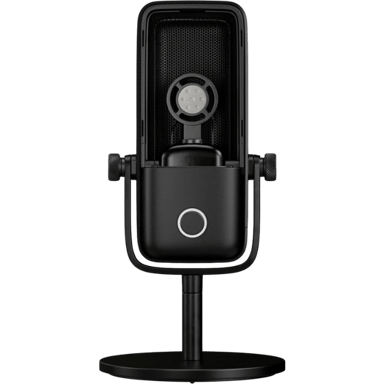

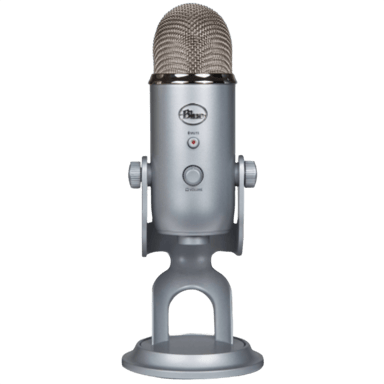
 Recaptor
 0
Cartling
0
Cartling
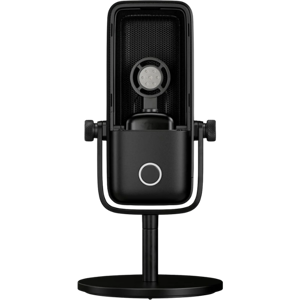
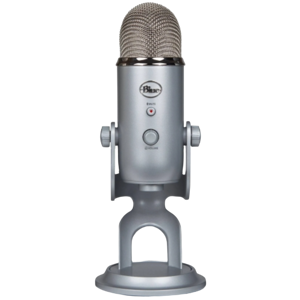
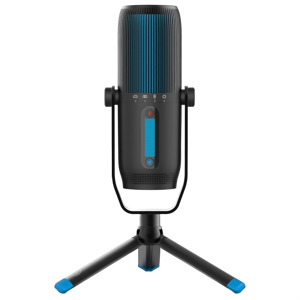


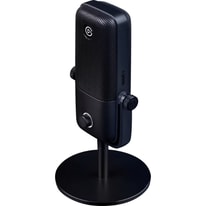


 13
13
 18
18